


The PowerPoint Connector: How to Connect Lines in PowerPoint to Create Diagrams
In this tutorial, you’ll learn how to insert the PowerPoint connector line and use it to link shapes; you’ll also learn how to check for and fix common problems with these connectors.
The PowerPoint Connector: How to Connect Lines in PowerPoint to Create Diagrams
Connector lines let you create hierarchies in PowerPoint for corporate structures, deal structures, and client/investment recommendations.
Unlike normal lines, they “snap” into place and move as you move around shapes connected to them.
For example, with PowerPoint connectors, you can create a slide that looks like this:

Then, if you change the shapes’ positions on the slide, the connector lines will move with the shapes if you have linked them properly:
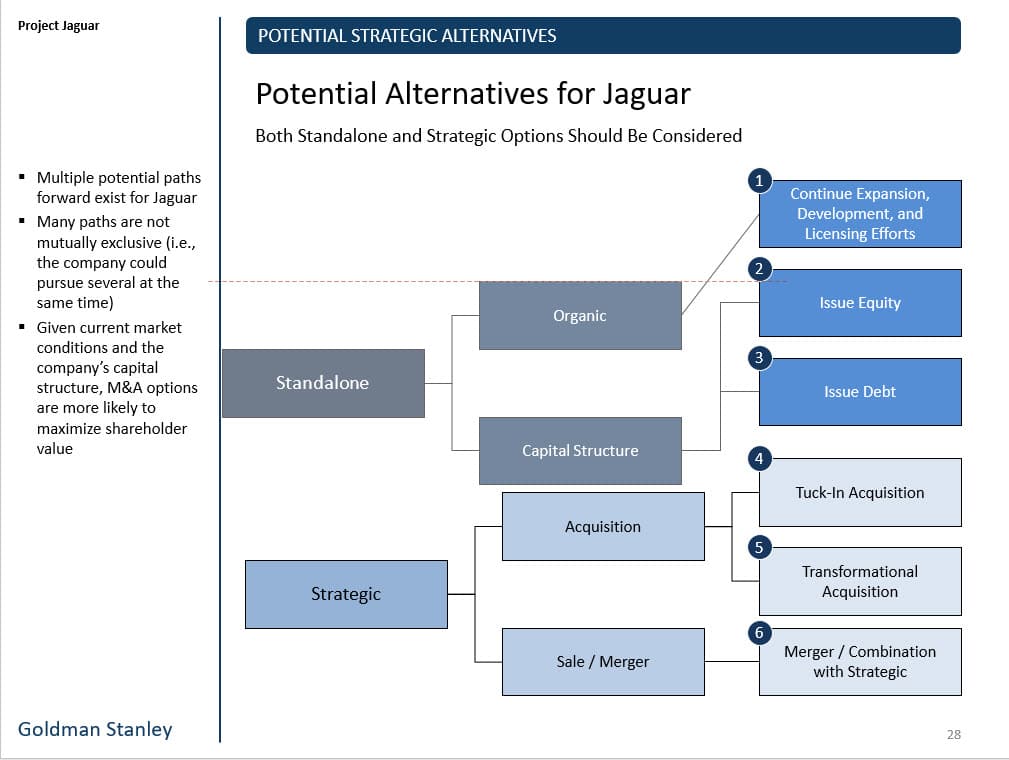
This feature is a huge time-saver because many slides include shapes that are connected by lines, and your slides should be as easy as possible to modify.

-
Become a presentation machine
Master the key shortcuts and commands for “warp speed” slide creation
-
Acquire the skills with dozens of practice exercises
Learn by doing – and check your work against the solutions
-
Save hours with our full macro package (25+ macros)
Automate formatting, tables, alignment, drawing guides, and more
Video Table of Contents:
3:04: Connector Line Setup and Demonstration
7:57: Exercise, Part 1: The First Grouping
15:13: Exercise, Part 2: Duplicating the Grouping
20:06: Recap and Summary
[Click the “Files & Resources” tab to get all the PowerPoint files for this lesson.]
Inserting PowerPoint Connectors on Slides
The key shortcuts here are Alt, 08 to insert “normal lines” (i.e., straight lines) and Alt, 09 to insert lines with arrows, elbow connectors, “squiggly” portions, etc.
Both these shortcuts require our Quick Access Toolbar, so we recommend downloading and installing it if you haven’t already done so (click the link and follow the instructions).
If you don’t want to use our QAT, you could also use the Alt, N, S, H shortcut to insert shapes, but it’s slower to type (there is no shortcut on Mac, so you’ll have to go to the “Insert” tab on the ribbon menu manually).
In any case, insert a straight line with Alt, 08 or Alt, N, S, H or Insert –> Shapes.
These commands let you “draw” the line in the position you want.
You can start drawing this line on the right edge of the “Sale / Merger” shape near the bottom, and extend it to the left edge of the “Merger / Combination with Strategic” shape:
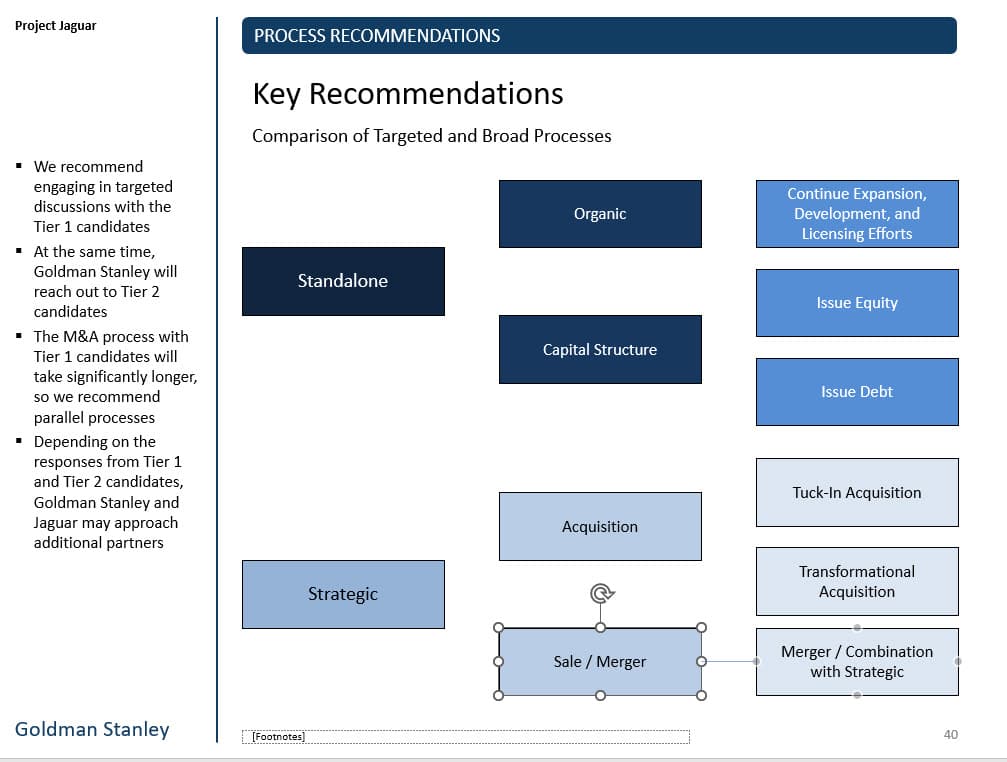
You should ensure the line starts on the left shape’s grey dot and ends on the right shape’s grey dot, as shown above.
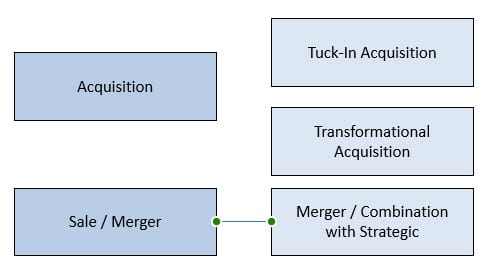
Once you’ve done this, you should see green dots at the ends of the line, which indicate that it’s “linked” to the two shapes:
To set up the other connectors, you’ll need “elbow lines” that bend around the corners of shapes and create branches.
You can use Alt, 09 to insert these:
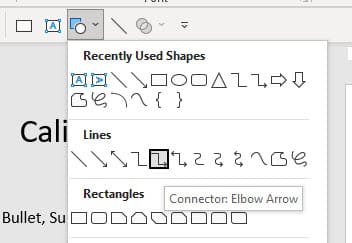
Once again, always start drawing the line on an existing shape’s “grey dot” and make sure it ends on another shape’s “grey dot”: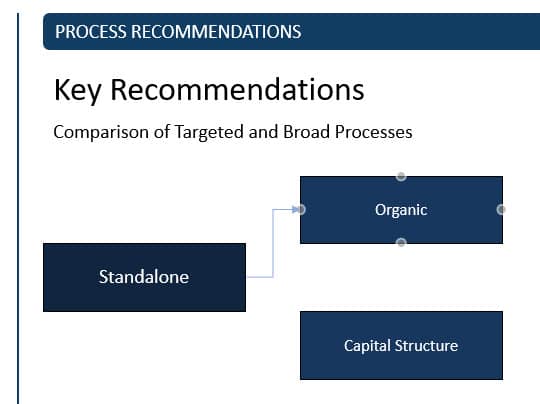
If you have not done this correctly, you will not see the green dot on the connection point:
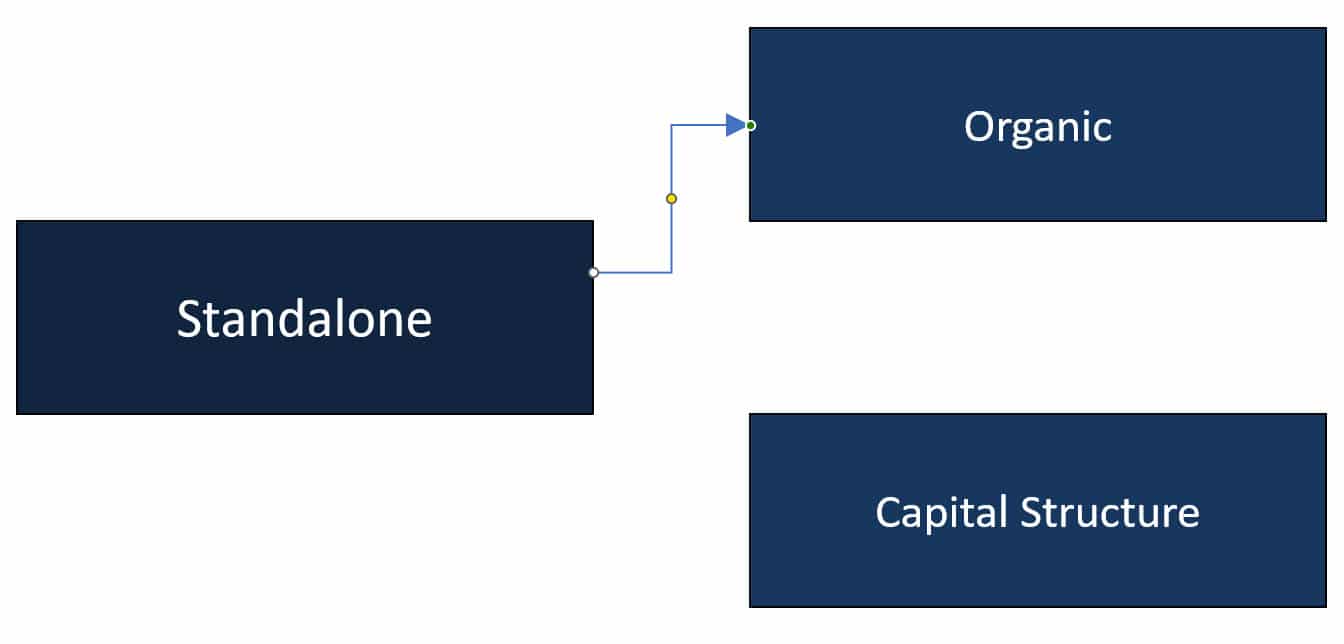
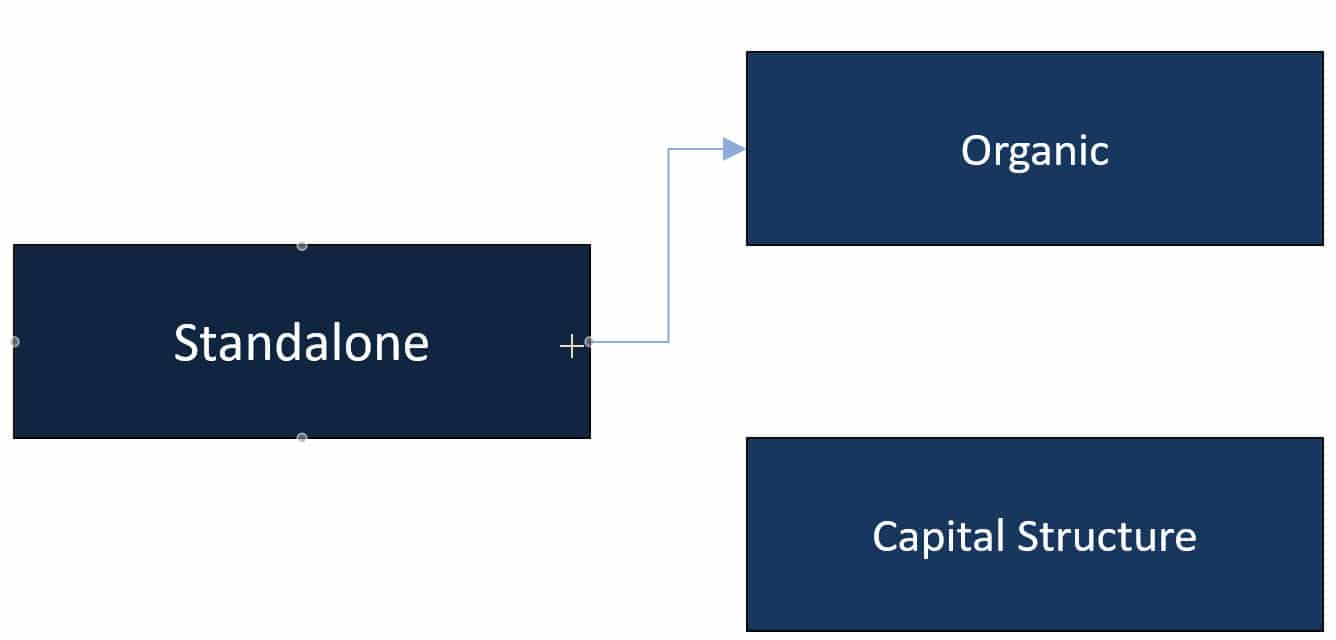
You can fix this issue by left-clicking the line and dragging it with the mouse until it “snaps” into place on this shape’s grey dot on its right edge:
If you want to insert the same PowerPoint connector repeatedly, you can right-click the line type via the Alt, 09 menu and select “Lock Drawing Mode”:
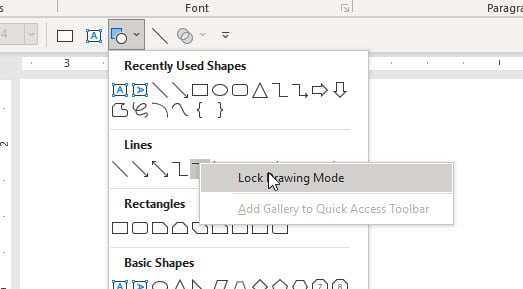
When you do this, PowerPoint will insert the same connector each time you click the mouse, so you can add many identical connectors by clicking the slide repeatedly:
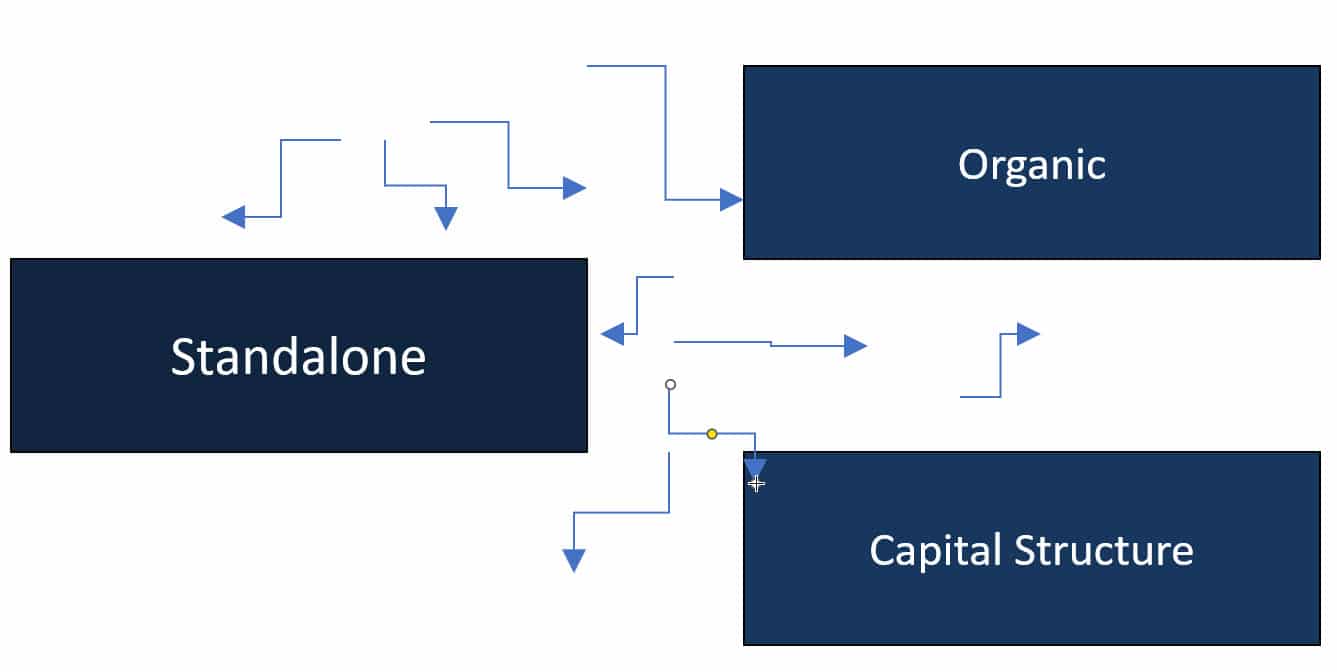
You can press the Escape key (Esc) when you’re done to exit the “Lock Drawing Mode.”
Once you’ve exited, clicking on the slide will no longer add the PowerPoint connectors.
These connectors are in the incorrect positions, but now that they’re all on the same slide, you can move them around and connect them to each pair of shapes:
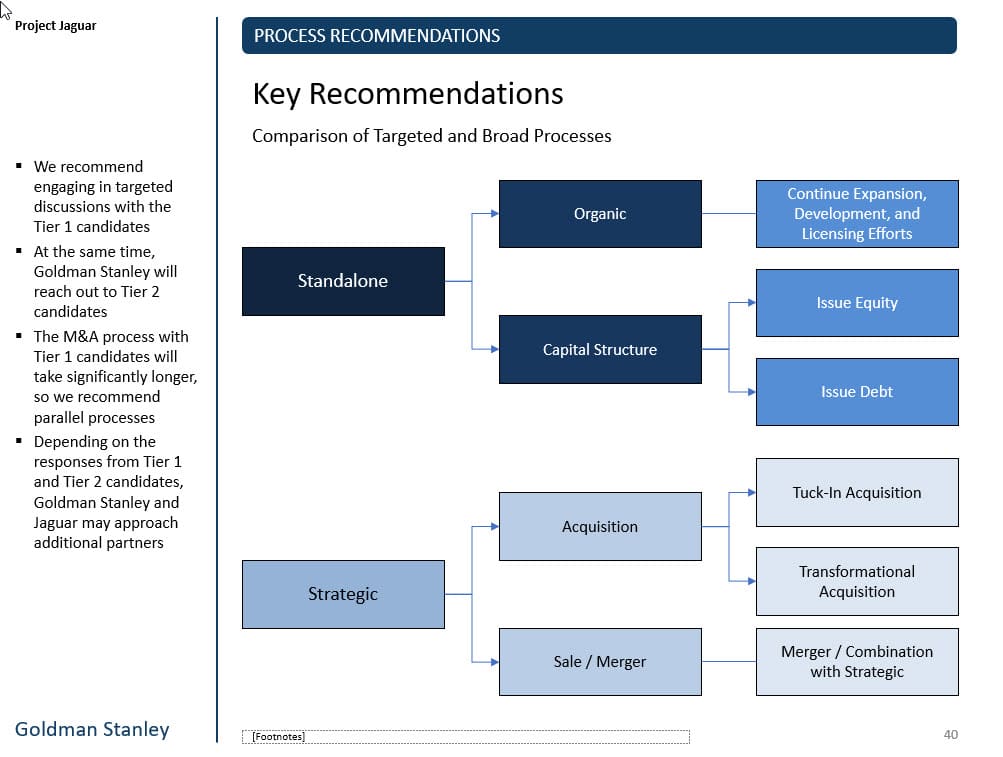
To check your work, you can press the Ctrl + A shortcut (⌘ + A on Mac) and make sure each PowerPoint connector has green dots at its ends.
You can see there’s one problem here:
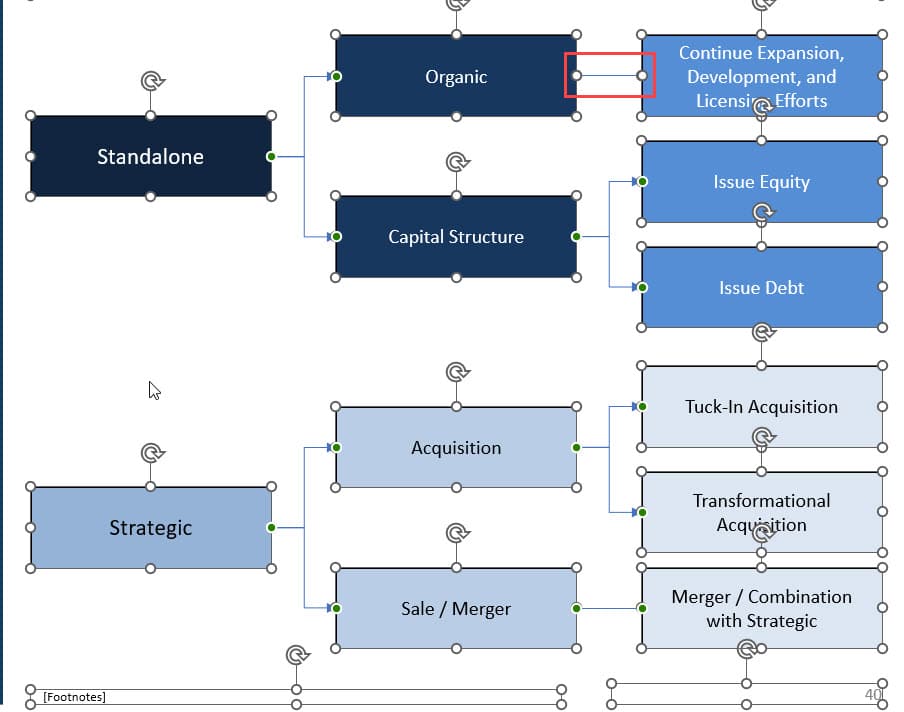
You can fix this issue by going to this connector line in the top-right corner and snapping it into place on these shapes’ “grey dots” on the left and right edges.
There’s no keyboard shortcut required – left-click the connector and drag its left and right ends into the proper positions.
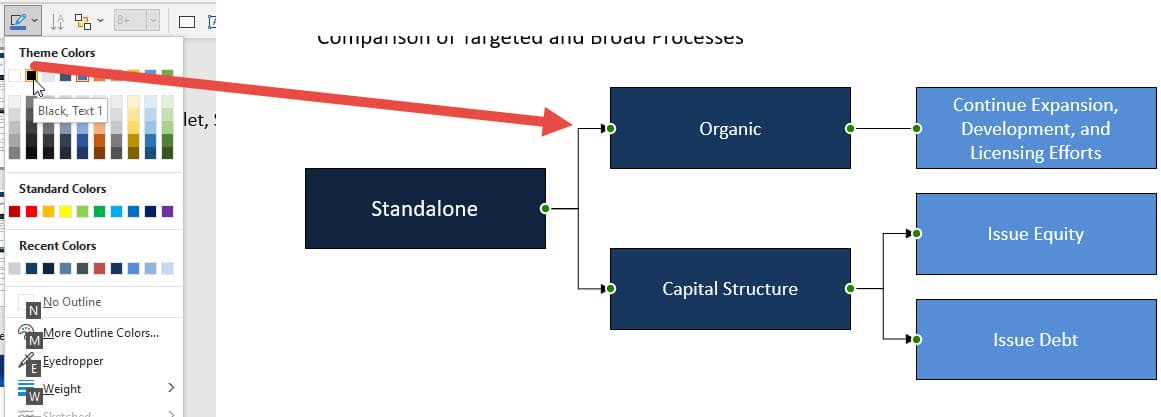
Another issue is that the connector lines’ colors and styles are incorrect.
Right now, the lines are all blue, and most of them have arrowheads – but we just want normal black connector lines with no arrows, per the finished version in the “After” file.
To fix the colors, select all the connector lines (Shift + Click) and use the Alt, 4 shortcut from our QAT to change everything to black:
Unfortunately, there’s no built-in way to change all the lines with arrows into lines with no arrows.
You could use the “Match All Attributes” macro from the package in our full PowerPoint course, but that doesn’t solve the problem completely because it removes the “elbows” from these lines to match the simple horizontal line:
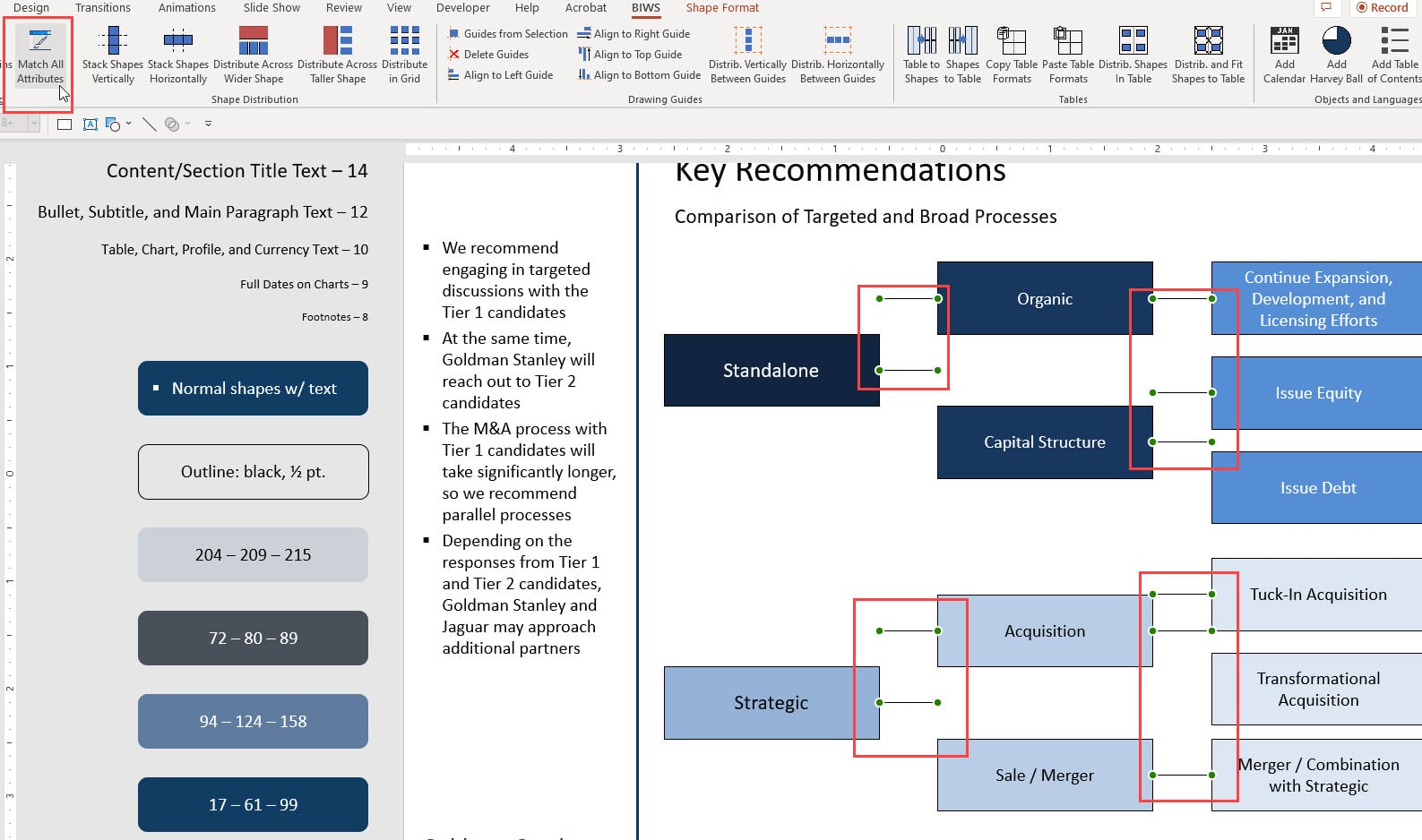
So, in this case, it’s most efficient to delete all the lines with arrows, start over, and insert and link the properly formatted connector lines.
This point illustrates one major downside of PowerPoint connectors: they’re easy to insert and “snap” into place, but they’re difficult to change once you’ve set them up.
PowerPoint Connectors: Practice Exercise
The practice exercise demonstrated in this video walks you through the process of creating the entire slide shown above (“Potential Alternatives for Jaguar”).
We’ve described above how to put the connectors in place, so we’re not going to repeat all of that to summarize this exercise.
The main difference in the video tutorial is that you must insert, align, distribute, and format the shapes properly, which takes more time than just inserting and linking the connectors.
We also use macros in PowerPoint, available only within the full course, plus some shortcuts not explicitly taught in this tutorial.
So, you probably won’t be able to “follow along” with everything demonstrated, but if you want to watch anyway, you can skip to 7:57 for Part 1 and 15:14 for Part 2.
Beyond the PowerPoint Connector
PowerPoint connectors are easy to use if you remember the key principles and shortcuts (Alt, 08 and Alt, 09; always connect the line to the grey dots on the edges of shapes; and use Ctrl + A to check the connections for green dots to indicate links).
The challenge is not how to insert connectors, but how to them in the context of entire slides.
For example, how do you complete tricky alignments and distributions?
What if you need to get shapes with connectors distributed perfectly in a small area?
And how do you replicate groups of shapes with connector lines while maintaining the proper spacing?
You can use the built-in alignment and distribution commands (Alt, 1, A in our QAT) for some of these; for others, the BIWS macro package will be helpful.
You can get the full training and access to all our macros and customizations once you sign up for PowerPoint Pro.

About Brian DeChesare
Brian DeChesare is the Founder of Mergers & Inquisitions and Breaking Into Wall Street. In his spare time, he enjoys lifting weights, running, traveling, obsessively watching TV shows, and defeating Sauron.

